
A possible direction
An independent guide to creative places
A recognizable masthead for your view of the places worth knowing.
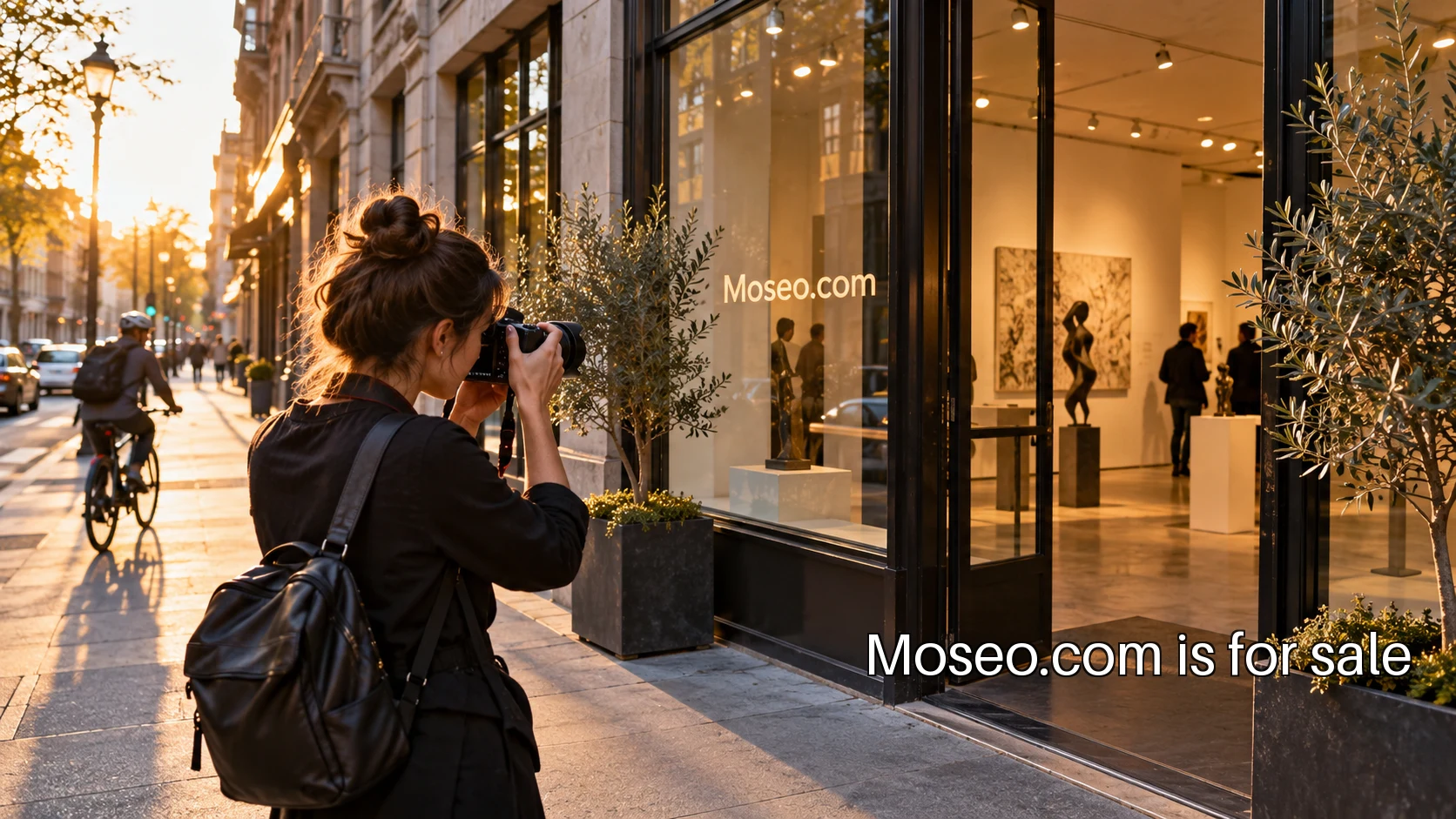
A useful city guide gives a reader enough confidence to choose where to spend an afternoon. A possible Moseo publication could serve people interested in independent design, small cultural spaces and the neighborhoods around them. Its first offer could be a carefully reported neighborhood edition, with a short route, a few substantial stories and practical visiting information. The editorial point of view would come from selection and reporting, rather than the number of places listed.
Give the first edition a boundary
Choose one neighborhood and one reader situation. An illustrative edition might help a visitor with three free hours between a morning appointment and an evening train. The route needs realistic walking distances, a place to pause and enough flexibility for a closed door or bad weather. Five well-reported stops can do that job better than a long directory assembled from venue descriptions. Each stop should earn its place through something the reporter can explain.
Moseo could become the masthead for that particular view of a city. Its invented name gives the publication room to establish a voice through repeated choices. The edition title and location can provide the immediate context below it. Over time, a reader would be able to collect or return to several editions under the same name, with a consistent standard for reporting and practical detail.
Commission a visit, not a rewrite
A useful contributor brief asks the writer to visit during ordinary opening hours and record what a visitor needs to know. That includes how to find the entrance, how long the stop might take and whether a booking is needed. An interview should add something that a venue's own website does not explain. For a small gallery, that might be how a show is put together. For a workshop, it might be what visitors can actually see being made.
The editor should separate observed facts, information supplied by the venue and personal judgment. A note that the entrance was difficult to spot can be a fair observation if it is described precisely. A statement about accessibility needs more care and a clear source. Practical details should be checked close to publication and carry a visible checked date. That gives the reader context and gives the editor a sensible update schedule.
Build a repeatable reporting sheet
For each stop, record the name, address, official website, opening information, booking link and the date those details were checked. Keep contact information for editorial verification separately from the public listing. Add a field for why the place belongs in this edition. If that explanation becomes interchangeable between stops, the selection needs another pass. An edition with a clear point of view can leave out good places that do not serve its particular reader.
Photographs should help someone understand the place. A wide view can establish the entrance or room, while a detail can explain the craft or design being discussed. Write captions that add information instead of repeating the heading. Agree on usage rights before commissioning, including the intended website, email and print uses. The publication should know what it can reuse when an edition is updated.
Keep rights information beside the image
When using openly licensed material, review the actual license attached to that work. Creative Commons explains its license types, including differences in commercial reuse, adaptation and attribution. A photograph being easy to download does not tell an editor which uses are permitted. Save the creator, the source page, the license link and any modifications in the asset record so the published credit can be checked.
Attribution also belongs in the production workflow. The CC BY 4.0 license summary is a useful reference when a work uses that specific license. The editor can prepare a credit line when the image is selected, rather than trying to reconstruct it just before publication. Commissioned photography needs its own agreed terms. The goal is an edition whose text, images and credits can be maintained together.
Find readers through the edition itself
A credible first distribution path is a small group of independent venues whose work is covered with editorial independence. Give them a clear link to the finished edition and a useful description they can share. A local newsletter or a neighborhood event can provide another introduction to readers already interested in the area. The publication can invite email signups for the next edition, explaining exactly what the subscriber will receive.
A first edition needs reporting time, editing, image permissions and someone responsible for updates after launch. Decide how corrections arrive and who checks them. A simple correction note can explain a changed detail while preserving the rest of the guide. The next practical step is a commission for one neighborhood, with a route, reporting checklist, image plan and publication date. If this is the business you would build on Moseo.com, describe your editorial focus when inquiring about the domain's acquisition.